How to Choose a Private Tour in Barcelona for Your Plans
Choosing a private tour in Barcelona is less about finding the biggest list of sights and more about fitting the day to the way you want to move. The city rewards unhurried attention. A narrow lane in the Gothic Quarter, a quiet courtyard, a view from Montjuïc, or a pause outside Sagrada Familia can matter as much as ticking off a famous name. The right private tour barcelona should feel coherent from start to finish, with clear timing, a sensible route, and enough room for questions.
Start by deciding what the day is for. A first visit usually needs a balance of landmark architecture and old streets, while a return visit may be better with one district explored in depth. A family day needs shorter stretches on foot and more breaks. A photography focused outing may need early light and fewer indoor stops. Write down the main purpose in one sentence before comparing options. That sentence becomes a filter when itineraries start to sound alike.
Set the shape of the day before comparing routes
Think about duration, starting point, and pace in practical terms. Barcelona can be explored on foot, but distances add up, especially between the Gothic Quarter and the upper areas around Park Güell. If the day includes hills, heat, or children, a route with too many crossings will feel tiring even if it looks efficient on a map. Ask whether the route is mostly walking, whether public transport is used, and where the tour begins and ends.
A short tour can work well when it focuses on a compact area. The Gothic Quarter and the space around Barcelona Cathedral lend themselves to that approach. A longer day can include a wider spread, such as Casa Batlló, La Boqueria Market, and a viewpoint on Montjuïc, but only if the transitions are built in rather than squeezed out. Watch for itineraries that list many famous places without explaining how much time is spent at each one.
Pace is another early filter. Some travelers want a steady stream of facts and stops. Others prefer a slower rhythm with time to sit, look around, and ask questions. A private tour should be flexible enough to adjust, but flexibility still needs a structure. A clear plan gives the day shape, and a little slack keeps it from feeling rushed.
Match the route to the sights that matter to you
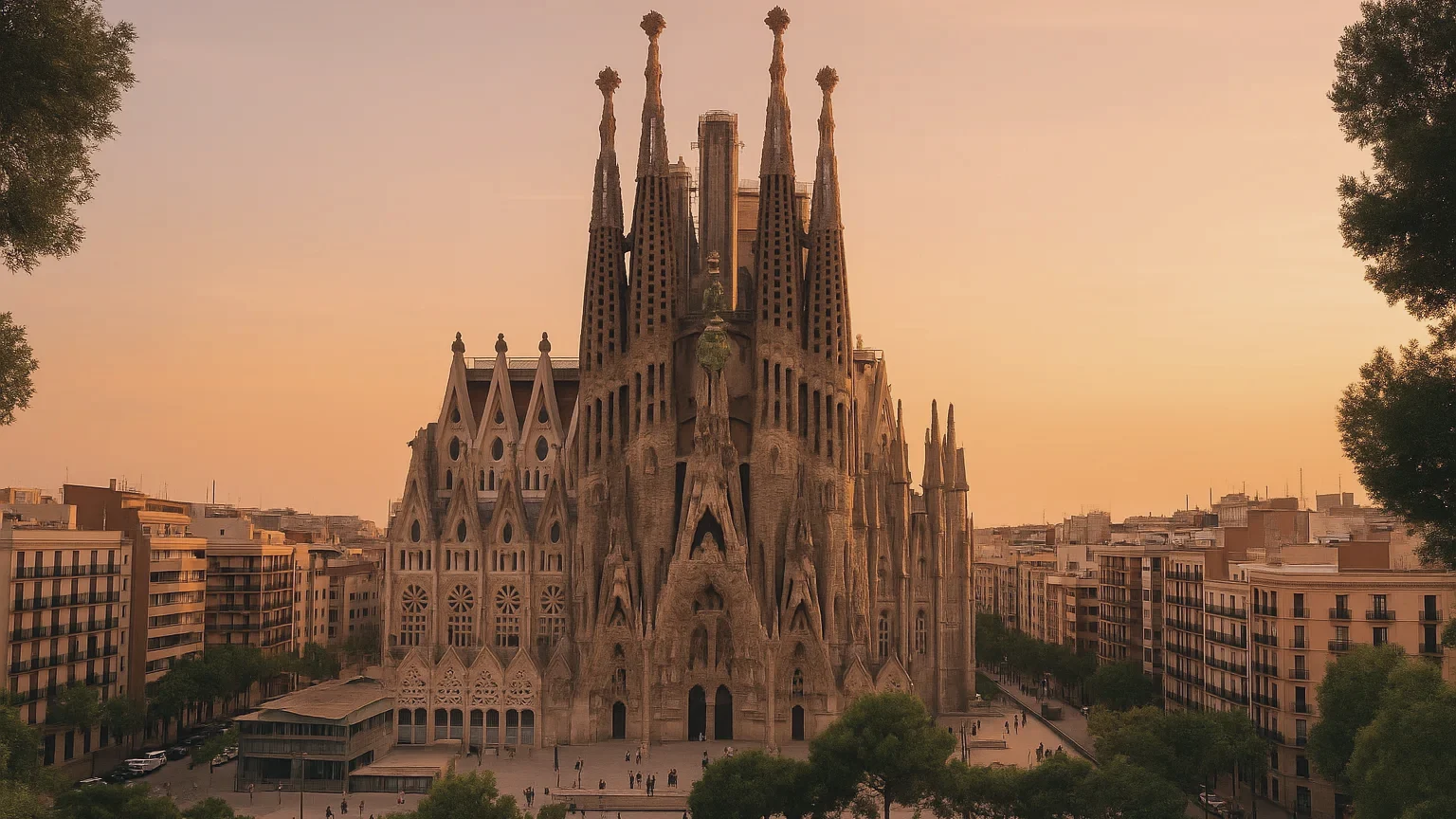
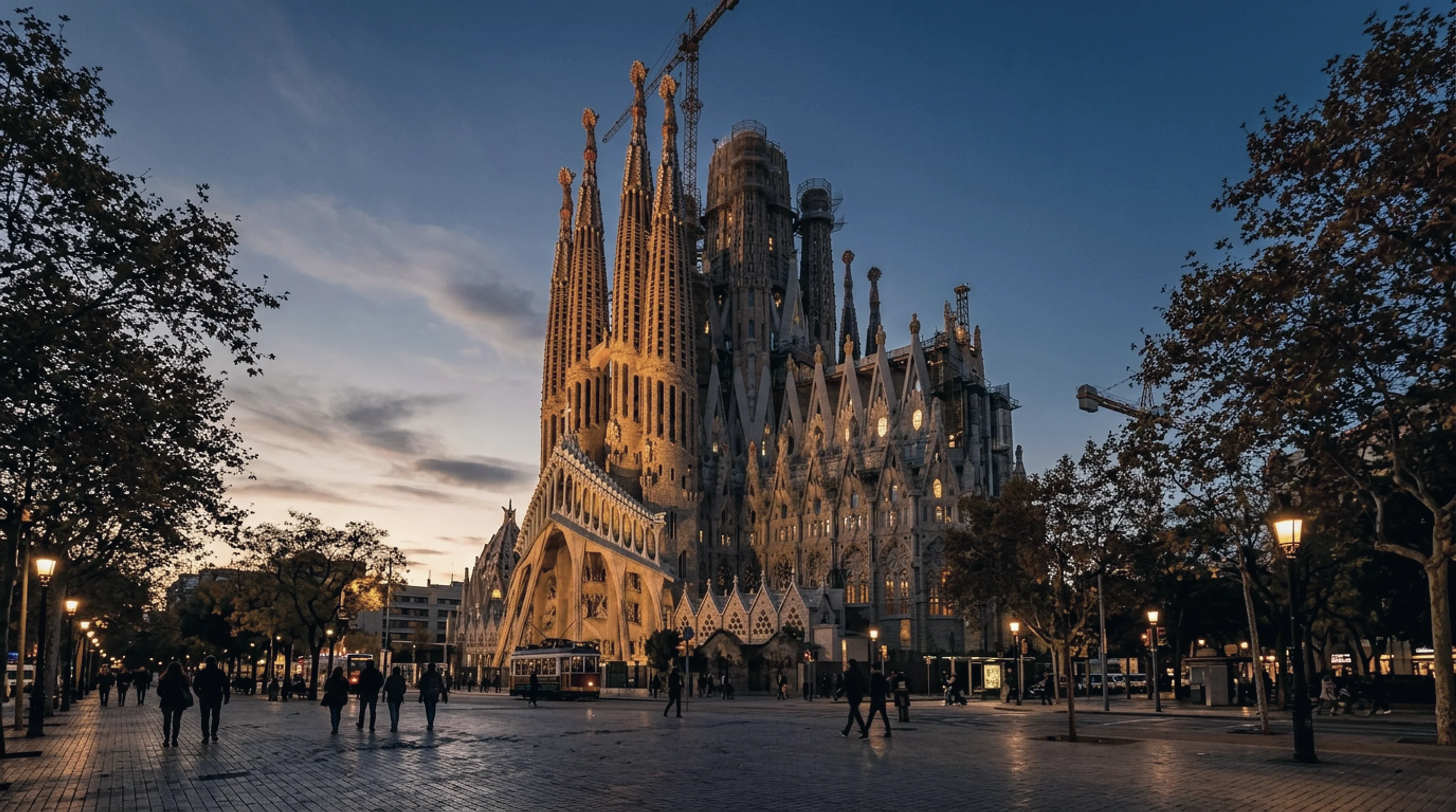
It helps to separate must see places from nice to have places. If Sagrada Familia is the priority, the rest of the day should support it rather than compete with it. That might mean pairing it with nearby architecture, or choosing a calm walk afterward instead of a crowded market at the busiest part of the day. If Park Güell matters most, consider where the tour goes before or after, since the setting and the climb affect energy levels.
Museums also change the feel of a tour. Museu Picasso suits a traveler who wants detail, context, and time indoors. It is less suitable for someone who mainly wants open air views and long walks. La Boqueria Market works best when the visit has a purpose beyond a quick look, such as understanding local food stalls or tasting a few items along the way. The best route is not the one with the most famous names. It is the one where each stop earns its place.
When reviewing a route, look for logical order. A day that zigzags across the city wastes attention and time. A cleaner route might begin in the old center, move through a market or architectural stop, and finish at a viewpoint or a quieter street. The exact order matters less than the reason behind it. If the sequence feels random, the day may feel disjointed on the ground.
Check what is included and what is left open
Private tours vary widely in what the word include covers. Some focus only on guiding and walking. Others may mention entry tickets, transport between stops, food tastings, or hotel pickup. Each detail changes how the day runs. Read the description for what happens at each stop, not just the list of places. A visit to a landmark from outside is different from going inside, and both can be valuable when the expectation is clear.
Ask how long the guiding lasts and whether entrance time is built into the plan. For major sights, timed entry can affect the whole day. If tickets are not part of the arrangement, the traveler may need to arrange them separately. That is not a flaw, but it is something to know before the day begins. The same applies to meals and tastings. A market visit with a few samples is different from a sit down lunch.
Useful questions at this stage include:
- What does the tour cover from start to finish?
- Are entry tickets, transport, or food part of the plan?
- How much free time is built into the itinerary?
- What happens if a preferred stop is closed or crowded?
Answers should be specific enough to picture the day. Vague phrases can hide gaps. Clear wording makes it easier to compare one option with another, even when the headline itineraries look similar.
Look closely at language, group size, and communication
A private tour is still a guided experience, so communication matters. Confirm the language of the tour and whether the guide can adjust explanations for children, older travelers, or people with strong interests in art, food, or architecture. The best fit is not always the most detailed option. A clear, responsive explanation usually beats a dense stream of dates and names.
Group size is another point to check. Even a private tour may have limits, and the feel of the day changes when several people share the same guide. If the purpose is a quiet family outing or a focused architectural walk, ask how many people will take part. If the day includes a mix of ages and interests, a slightly smaller group can make conversation easier.
Before committing, note how questions are handled at the planning stage. A helpful exchange should clarify the route, timing, and practical details without pressure. It is reasonable to mention mobility needs, food preferences, or a strong interest in a particular site. If those details are treated as an afterthought, the day itself may feel the same way. Some travelers also compare a few sources during planning, and the name privatetourinbarcelona.com may appear while they are looking at options for a private tour barcelona.
Read the fine print with a calm eye
The practical terms matter, even when the itinerary sounds appealing. Check the meeting point, the end point, and whether there is flexibility if plans change. Look for any conditions around late arrival, missed entry times, or alterations to the route. A private tour can adapt more easily than a fixed group outing, but that does not mean every change is effortless.
Accessibility deserves attention too. Barcelona's old streets include cobbles, slopes, steps, and busy pedestrian areas. A route that looks short may still be tiring. If anyone in the group has limited mobility, discuss the route in plain terms before booking. Ask about surfaces, resting points, transport, and whether the planned stops can be changed. This is not a minor detail in the old center or around hillside sights.
Weather also shapes the day. Summer heat can make a midday walking route uncomfortable, while rain changes the appeal of open viewpoints. A good plan has alternatives that still make sense, such as moving more time indoors or focusing on shaded streets. Watch for options that treat bad weather as an inconvenience rather than a normal part of city travel.
Compare value rather than just length
A longer tour is not automatically a better one. Value comes from the quality of the route, the clarity of the guiding, and the fit with your priorities. Two plans may cover similar sights while feeling very different. One may leave room for conversation and observation. Another may pack in more names but give little time to understand them.
Compare options by looking at the whole experience. Does the plan begin at a sensible point? Are the stops connected in a natural order? Is there time to eat, rest, or wander briefly? Does the route avoid repeating similar viewpoints? These questions reveal more than a simple count of attractions. A focused half day around the Gothic Quarter and Barcelona Cathedral can be more memorable than a scattered day that crosses the city for the sake of coverage.
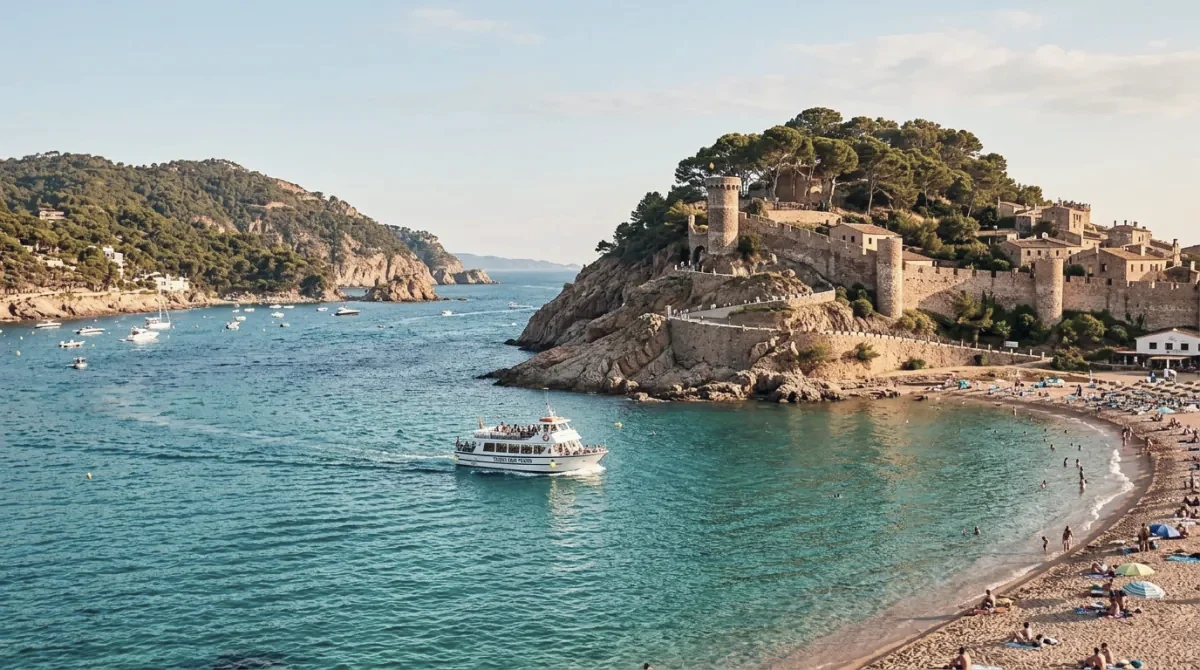
When a final choice begins to emerge, check that the description still matches what you want. If the main aim was a relaxed introduction, avoid a plan built around tight schedules and many indoor entries. If the aim was depth on Gaudí, a route that only passes Casa Batlló and Park Güell may feel thin. The wording should support the promise.
Make the final decision with the day in mind
Picture the tour as an actual day, not a list on a screen. Where will you be standing at the start? How will you feel after the first hour? Are the main stops placed at sensible times? Will there be a chance to sit down, ask questions, or linger somewhere that catches your attention? A private tour should give the city room to breathe, and it should leave you with enough energy to enjoy the hours afterward.
The right choice usually becomes clear when the practical details and the personal priorities line up. Choose a route that reflects what you genuinely want to see, confirm what is included, and pay attention to pace and access. With those points settled, the tour becomes a useful framework for exploring Barcelona rather than a schedule to survive. The name privatetourinbarcelona.com can be kept in mind during that comparison, while the final decision rests on the fit between the day on offer and the day you want to have.